Odin
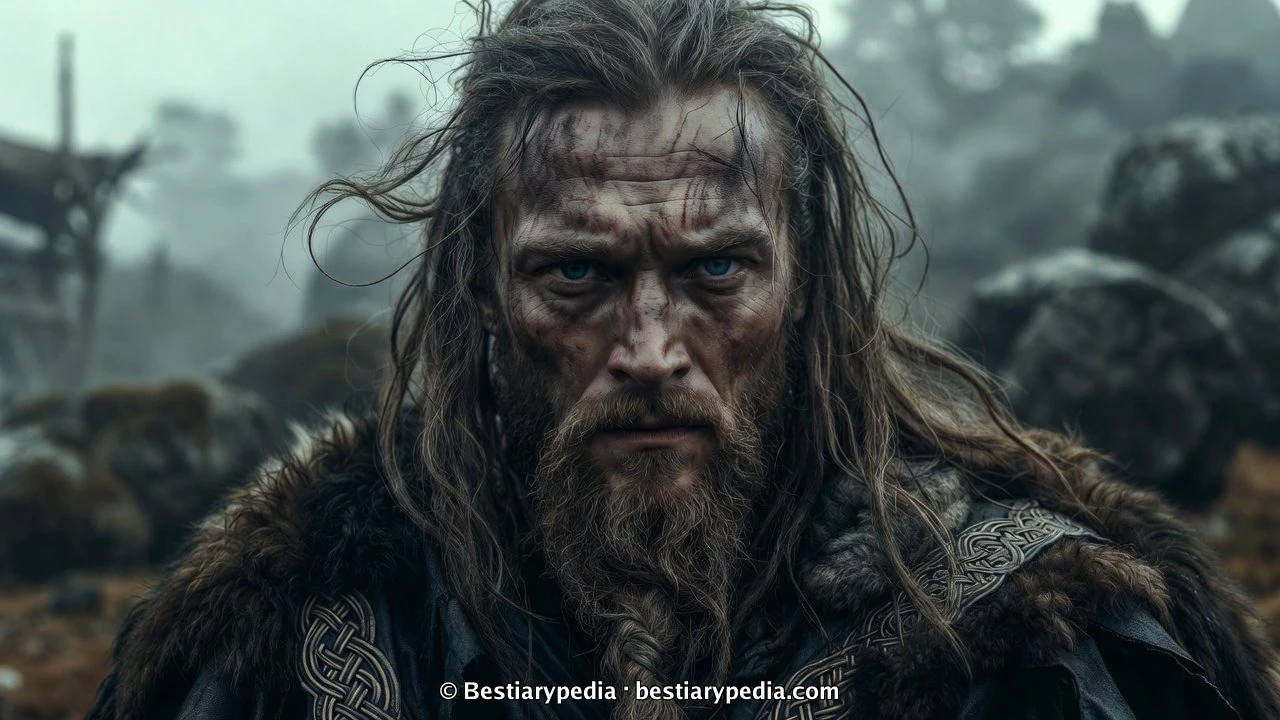
Odin, chief god of the Norse pantheon and lord of wisdom, war and runic magic
Curated byBestiarypediaCreated onUpdated on


 Scandinavia(Denmark, Norway, Sweden)
Family Tree
Origin
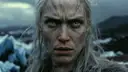
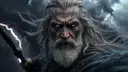
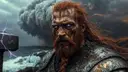
Odin (Óðinn) is the chief of the Aesir (Æsir) and Allfather in Norse mythology. He is the son of Borr and the giantess Bestla, and grandson of Búri, the first being to emerge from the primordial ice. Together with his brothers Vili and Vé, he slew the primordial giant Ymir and from his body shaped the cosmos: from the flesh he made the earth, from the blood the sea, from the bones the mountains and from his skull the vault of the sky. From two logs found on the shore, the three brothers created the first human couple, Ask and Embla, to whom Odin granted breath and life. From his seat in Asgard, Odin rules the Aesir and watches over the nine worlds held up by the ash tree Yggdrasil.
Sacrifices for Wisdom
Hungry for knowledge, Odin gave one of his eyes at Mímir's well, kept beneath one of the roots of Yggdrasil, in exchange for a draught of its waters and the wisdom they bestow. In his most extreme quest he hung from the world tree for nine nights, wounded with his own spear and without food or drink, offered to himself, until he discovered the runes and the magic songs that confer power. A master of seiðr, the prophetic magic taught to him by the goddess Freyja, he knows fate and works enchantments. From the throne Hliðskjálf he beholds all the worlds, and each day he sends his ravens Huginn (thought) and Muninn (memory) to roam the earth so that at nightfall they may report to him all they have seen. At his feet lie the wolves Geri and Freki, to whom he gives his food, for wine and mead are enough for him. He also seized from the giants the mead of poetry, a gift he shares among the gods and the poets.
War, Death and Ragnarök
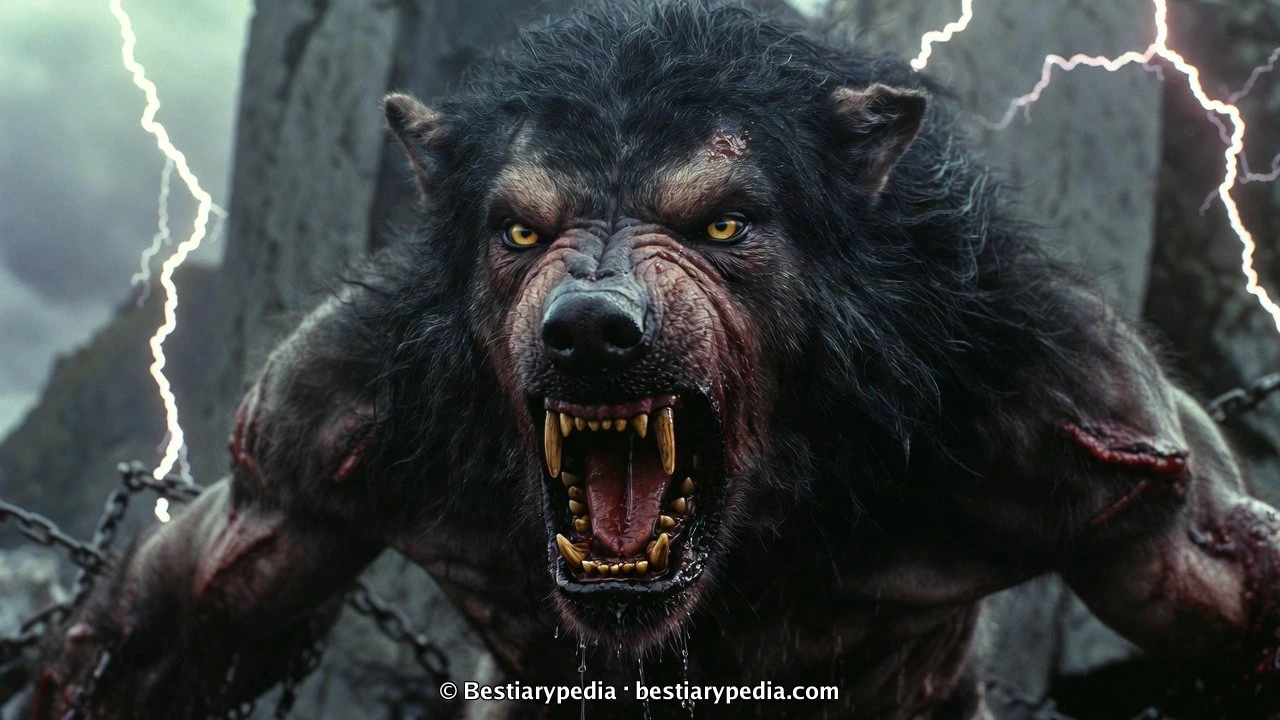
Lord of war and of the dead, Odin receives into Valhalla the einherjar, the warriors fallen with honor whom the Valkyries choose on the battlefield and lead to his hall, where they fight each day and feast each night awaiting the Ragnarök. He rides Sleipnir, the eight-legged steed, and wields the spear Gungnir, which never misses its mark; he also possesses the ring Draupnir, from which eight equal rings drip every nine nights. Knowing the prophecy, he is aware that at the Ragnarök, the twilight of the gods, the Aesir must face the giants and the monsters. There Odin will march against the wolf Fenrir and be devoured by its jaws; his son Víðarr will avenge him by tearing the wolf apart. After the destruction, the earth will rise anew from the sea and some gods will survive to people it again.
Also known as
Relics
🏺 Gungnir
Odin's spear that never misses its mark.
🏺 Draupnir
Ring that produces eight equal rings every nine nights.
Symbology
Element
Wind and storm
Number
Nine
Color
Storm gray
Animals
Raven (Huginn and Muninn), Wolf (Geri and Freki)
Sigils:
🏷️ Traits
Powers
Weaknesses
Behavioral
Resistances
🔗 Relations with other beings
Blood brother of
🗺️In the Atlas
Travel the beings’ world of origin and the cosmos of their dimensions.
📜 Mythologies
Norse mythology developed among the Germanic peoples of northern Europe, especially in Scandinavia, from the late Iron Age until the progressive Christianization between the 8th and 11th centuries. Its stories are preserved mainly in medieval Icelandic sources such as the Poetic Edda and the Prose Edda of Snorri Sturluson, which collect earlier oral traditions. The universe is conceived as a set of nine worlds connected by the cosmic tree Yggdrasil, in which gods, giants, humans and other beings coexist, and where the destiny of all is ruled by the Norns. The main gods are divided into two groups: the æsir, among whom Odin, Thor and Tyr stand out, and the vanir, represented by Njörðr, Freyr and Freyja, although both groups eventually integrated after a mythical war. Odin, associated with wisdom, war and poetry, occupies a central place, while Thor, god of thunder, protects humans from the giants. The end of the world, known as Ragnarök, involves a catastrophic battle in which most of the gods perish, although a later rebirth is foreseen. This tradition has exerted a lasting influence on literature, art and popular culture in Europe and America, from medieval sagas to modern representations in operas, novels and audiovisual media. Elements such as Valhalla or the valkyries have become part of the Western collective imagination, although often reinterpreted outside their original context.
Sources
Poetic Edda
Anonymous · 1200
Collection of ancient poems including Grímnismál with allusions to the wolves pursuing the Sun and Moon.
Prose Edda
Snorri Sturluson · 1220
Snorri Sturluson's 13th-century handbook of poetics, compiling and organising Norse mythology from the origin of the world to Ragnarök. Together with the Poetic Edda, the main source for the Scandinavian pantheon.
Gesta Danorum
Saxo Grammaticus · c.1200
12th-century Danish chronicle containing fateful traditions.
Heimskringla
Snorri Sturluson · 13th cent.
Snorri Sturluson's 13th-century historical writings describing Norse berserker traditions including wolf berserkers.
Frequently asked questions
What relationship does Odín have with the giant Ymir?
Odin does not descend from Ymir: he kills him. He is the son of Borr and of the giantess Bestla, and together with his brothers Vili and Vé he gave death to the primordial giant to construct with his body the world: the earth of his flesh, the sea of his blood, the mountains of his bones and the vault of the sky of his skull. The Nordic creation does not start from nothing, but from the dismemberment of a previous being.
Why did Odin sacrifice his eye in the well of Mimir?
Because the well, at the foot of one of the roots of Yggdrasil, guards the wisdom, and Mímir only allowed him to drink in exchange for an eye. Odín accepted and left it there sunk forever. It is advisable not to confuse this episode with that of the runes: that was another different sacrifice.
How did Odin obtain the runes?
Hanging from Yggdrasil for nine nights, wounded by his own spear and offered «myself to myself», without food or drink, until at last the runes revealed themselves to him and he fell from the tree screaming. He tells it in first person in the Hávamál, and it is the passage that best defines his character: the god who tortures himself to know more.
What role does Odín play in the Ragnarök?
He leads the Æsir and the einherjar of Valhalla against the giants, and dies devoured by the wolf Fenrir, just as the prophecies announced without him being able to avoid it despite all his wisdom. His son Víðarr avenges him immediately by tearing the jaws of the wolf, and survives the end of the world to inhabit the new earth.
🔖Cite this entry▾
If you cite this article in an academic, journalistic or editorial publication, use any of these formats:
Bestiarypedia. (2026, August 2). Odin. Bestiarypedia. https://bestiarypedia.com/en/beings/odin
Free citation with attribution and canonical link for editorial, academic or journalistic use. Full commercial reuse or creation of derivative products requires prior agreement.
Similar beings
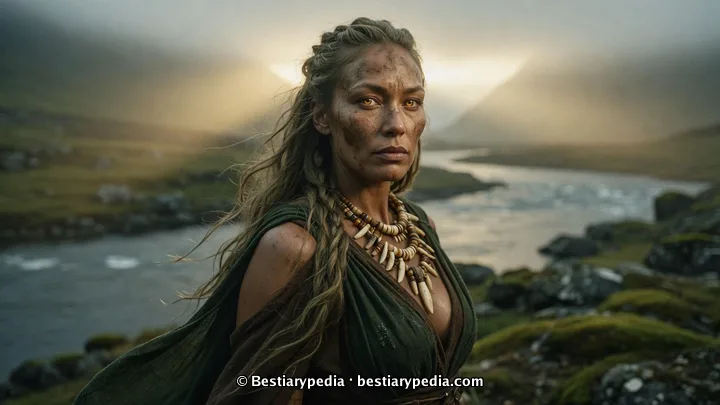
Jörð
Jörð, goddess-giant personification of the Earth in Norse mythology
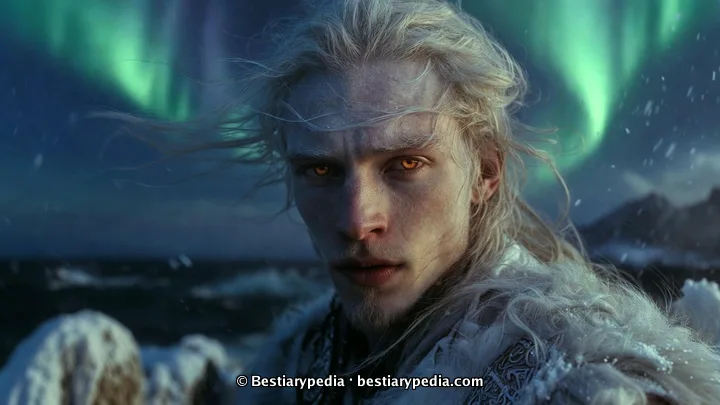
Baldr
Baldr, the Norse god of light, purity, and innocence
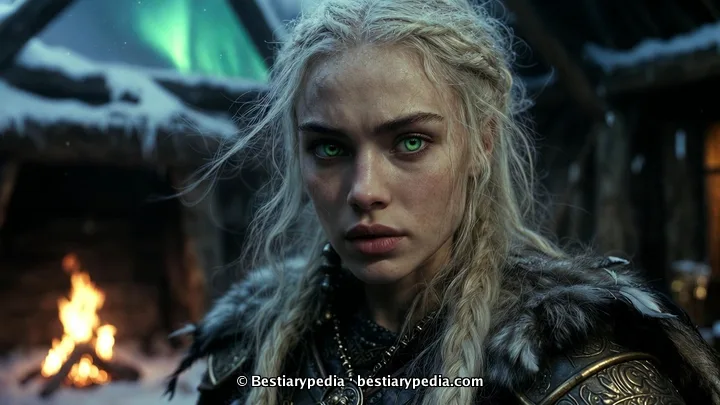
Freyja
Freyja, Norse goddess of fertility, love, beauty and war
Hel
Hel, Norse goddess of the underworld and ruler of the dead who did not fall in battle
Loki
Loki, Norse god of cunning, deception and transformation

Thor
Thor, Norse god of thunder, strength and protection